
Before filmmakers can rush to the thrilling shooting phase of their project, the creative work that goes on behind the scenes has to come first. Plenty of people can underestimate the efforts that go into film producing, but lots of budget and logistical gymnastics need to be performed in order for the project to be pushed forward – especially for low-budget indies. Film producers need to be problem solvers, organizers, and quick decision makers able to operate under tight time restrictions. These are crucial skills because without producers and their skillset, films wouldn’t be able to get made. In this article, we’ll take a look at some the key components of the pre-production process that producers should know about.
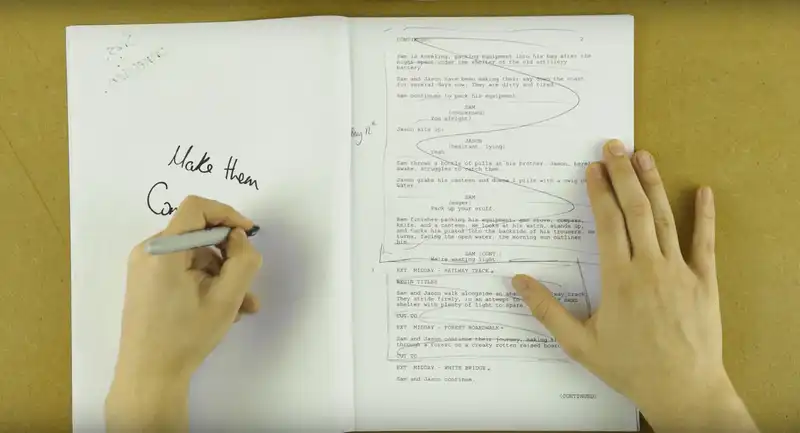
Once the final script is approved, producers, along with the directors and heads of all departments do a complete script breakdown – a process of marking and noting all production elements featured in the script. This should include everything. Scene locations, characters & extras (and which scenes they are in), props, and can into as much detail as you wish; such as production design, art décor, gear list, etc. A script breakdown is encouraged to do as early as possible in pre-production because it gives the producers a complete list of what is needed throughout the shooting phase and allows them to start figuring out how to schedule and budget the shoot. For the rest of pre-production, the script breakdown serves as a safety net whenever information is forgotten or lost.
After the script breakdown, you can move onto scheduling and budgeting, both of which can be worked on and solved at the same time. The reason why is that if you have scheduled a 3-day shoot on-location in a scenic area, your budget will be affected with transportation, food, and basic amenities for cast/crew, as well as figuring out transportation for cameras, lights, grip, and power equipment. On the flip side, if you have budget constraints, you might have to settle for less resources for a particular scene, which might make it take longer, affecting the schedule. Solving the schedule and budget is a constant tug of war filled with compromises on both sides.
Now that the budget and shooting days have been finalized, the next step is to secure all the paperwork needed for production – the most fun part. Documents such as location agreements and permits allow filmmakers and production companies to shoot on private properties and protect them from any future disputes. Location agreements typically include permission to access and record, dates and times, compensation owed for the usage of property, and usage rights including what you’re allowed to move, change, or alter on the property, all included in the contract. Appearance releases are documents that shows an agreement of one person (actor) to be photographed and portrayed on film, and that the film may be distributed with their likeness included.
Deal memos are given to cast and crew and specifies their role, what duties they will perform, the length of time they will work, and how much they will be compensated. Appearance releases and deal memos are important for both crew members and producers because it guarantees work for crew members, and for producers, it protects them from any legal disputes if the crew members try to get paid more if the film does well at the box office (which can happen, see Obsession as an example). Securing paperwork can be a very meticulous process because producers want to make sure all their bases are covered, to prevent any problems popping up after the film has been completed and revenue starts to roll in.
The final step in producing is perhaps the most important, and that is the chain of title. A chain of title is a legal document that shows a chronological paper trail of intellectual property (IP) ownership and declares that the production company/filmmaker holds all necessary rights to use the IP to film a motion picture. This document includes option/purchase agreements of the material and certificates of authorship. Although this is mentioned as the last step in this article, it is encouraged to secure this as soon as possible – because without this, no film can be made.
With the IP rights secured, worker contracts and permits signed, and budgets/schedules finalized, it’s time to proceed to the creative work. Producers are usually working on their checklist, while the director works on the creative side. However, as an indie filmmaker, you may have to be responsible for all aspects. Nevertheless, completing your pre-production checklist moves you into the shooting phase and inches you one step closer to finishing your film.